
|
|
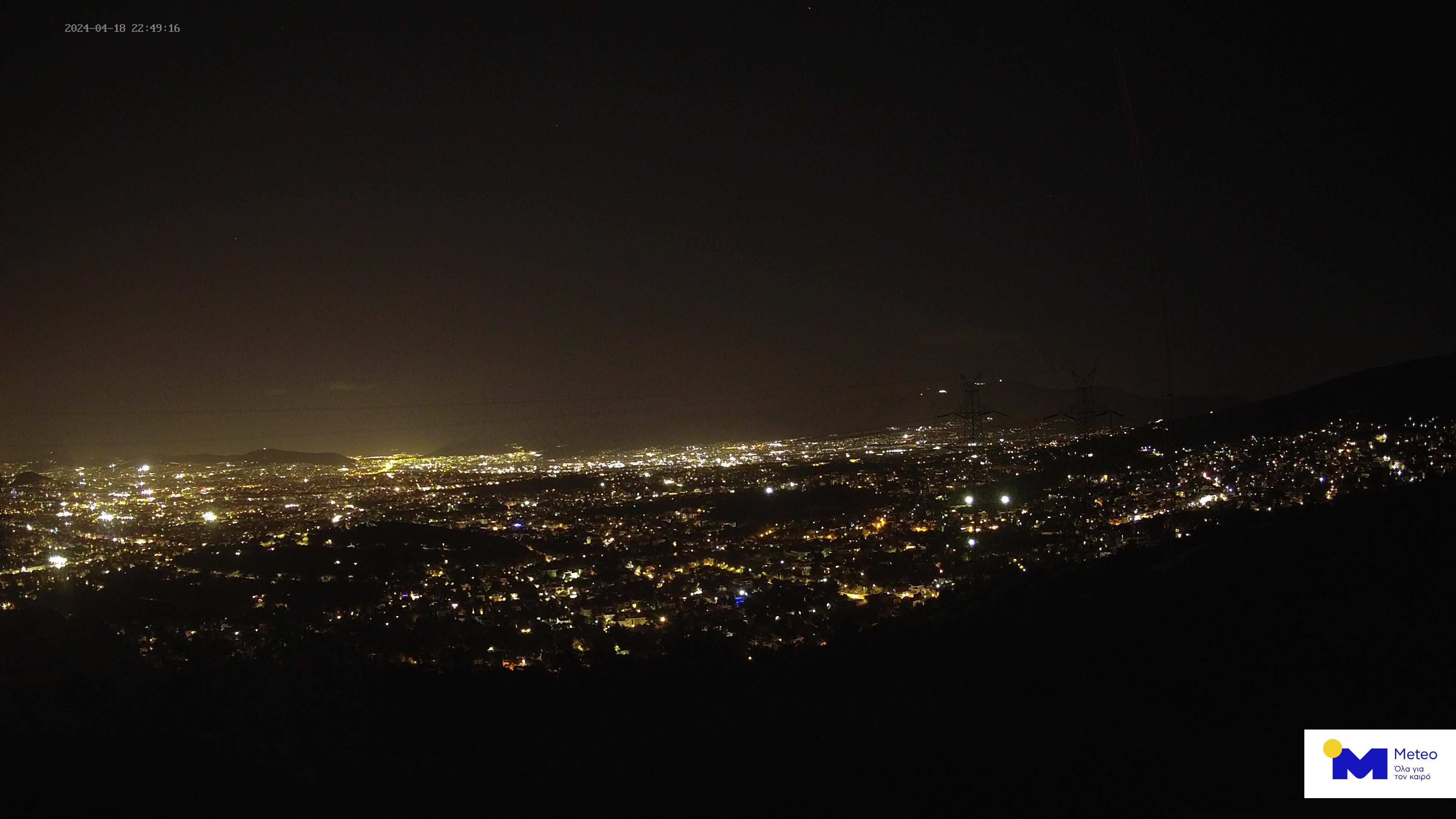
Live εικόνα Αθήνας από το Αστεροσκοπείο Πεντέλης
 Σχεδόν αίθριος  11 °C 11 °C
 60% 60%
|
 ΑΡΧΙΚΗ ΑΡΧΙΚΗ
|
pentelikonews.gr  Πολιτισμός - Τουρισμός Πολιτισμός - Τουρισμός |
Προσαρμοσμένη αναζήτηση

|


|
|
Σημαντικό διαδικτυακό σεμινάριο στο ΕΚΠΑ
Ημερομηνία: 18/5/2020, 14:49 - Εμφανίσεις: 61 
Tο ΣεμινάÏιο Ιταλικής ΙστοÏίας και ΙστοÏιογÏαφίας (Τμήμα Ιταλικής Γλώσσας και Φιλολογίας του Î•Î¸Î½Î¹ÎºÎ¿Ï ÎºÎ±Î¹ ΚαποδιστÏÎ¹Î±ÎºÎ¿Ï Î Î±Î½ÎµÏ€Î¹ÏƒÏ„Î·Î¼Î¯Î¿Ï… Αθηνών) σας Ï€Ïοσκαλεί στη σεμιναÏιακή διάλεξη του κ. Renard Gluzman, ΙστοÏικοÏ, ΜεταδιδακτοÏÎ¹ÎºÎ¿Ï Î•Ïευνητή στο Haifa Center for Mediterranean History (HCMH) – University of Haifa, με θÎμα: An epidemic of marine wood-boring organisms and its impact on ships and seafaring in the Early Modern Mediterranean. H διάλεξη θα Ï€Ïαγματοποιηθεί την ΤετάÏτη 20 ΜαÎου 2020 (20:00), στην αγγλική γλώσσα, μÎσα από την πλατφόÏμα Zoom, https://zoom.us/j/2596027599 ΠεÏίληψη In this lecture we will explore ships as a floating ecosystem of sorts, a Noah’s Ark of mammals carrying an untold quantity of busy microbes, barnacles siphoning and plankton. We will start by taking a microscopic look on their life and natural habitat. Zooming out, we will discuss the characteristics of infested wood and the behind-the-scenes of seafaring. We will address the practices of hauling out and careening a ship, and the chemical war waged against the teredo shipworm, the costs of construction, the depreciation of the vessel’s value, the scrapping and/or recycling of its timber and equipment, and the prospects of enjoying revenues out of the investment in shipbuilding. Our attention will shift from the single case to the ever-infested fleet itself. We will discuss governments regularly control, safety inspections, subsidies and loans to galvanize the construction of new vessels, and lastly, the role of the teredo in state formation in pre-modern Europe. C.V. Renard Gluzman is a postdoctoral fellow at the Haifa Center for Mediterranean History (HCMH) in the University of Haifa. His manuscript entitled Venetian Shipping from the Days of Glory to Decline, 1453–1571 won the prestigious “Ugo Tucci Prize†for original unpublished work on the theme “The Mediterranean between Medieval and Modern Timesâ€, Istituto Veneto di Scienze, Lettere ed Arti, and will be published in Brill serie... Πηγή/ΠεÏισσότεÏα: in.gr
|
DRONE VIDEOS
Drone videos από πολλές περιοχές της Ελλάδας.
Τα πιο πρόσφατα: · Θεσσαλονίκη · Καλαμάτα · Λουτράκι · Λίμνη Στράτου · Αγρίνιο · Τρίκαλα · Μετέωρα » Περισσότερα |

















 Γέφυρα Ρίου - Αντιρρίου: Δείτε πώς κατασκευάστηκε η μεγαλύτερη καλωδιωτή γέφυρα του κόσμου


 Ειδήσεις
Ειδήσεις από το Αθηναϊκό Πρακτορείο Ειδήσεων
 Copyright 2010-2026 © pentelikonews.gr